 Under the expert guidance of our Board Certified Vascular Surgeon, Dr. Mark Zuzga, our team of Vein Specialists & Vascular Experts are committed to delivering top-tier outpatient vascular & vein evaluation and treatment throughout the greater Tampa & West Florida surrounding areas. Should you find yourself dealing with leg pain, swelling, ulcers, discoloration, or the appearance of spider and varicose veins, we invite you to request a screening today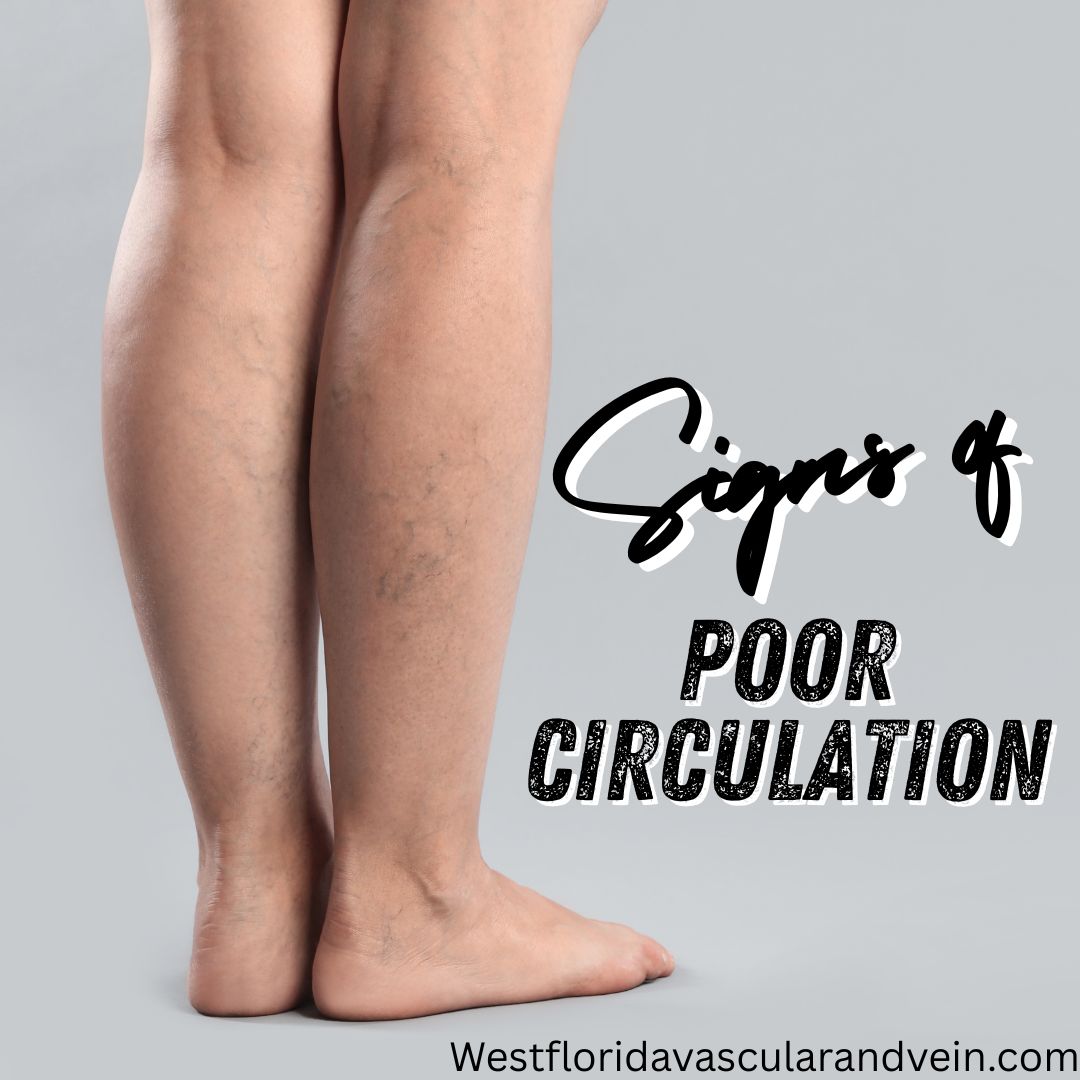
Signs of Poor Circulation You Shouldn’t Ignore
And When to Get Checked
Poor circulation is one of those health issues people often brush off at first. Cold feet? Maybe it is the air conditioning. Leg cramps? Maybe you overdid it. Tingling? Maybe you sat weird. Sometimes that is true. But when circulation problems keep showing up, especially in your legs and feet, your body may be waving a little red flag that deserves attention.
Poor circulation means blood is not moving as efficiently as it should through your arteries and veins. In some cases, it may be related to peripheral artery disease, also called PAD, which happens when narrowed arteries reduce blood flow to the limbs. PAD most often affects the legs and can increase the risk of serious complications if left untreated.
Common Signs of Poor Circulation
One of the most common warning signs is leg pain or cramping when walking, climbing stairs, or exercising. This discomfort often shows up in the calves, thighs, hips, or buttocks and may improve when you rest. That pattern matters. Pain that appears with activity and eases with rest can be a sign that your leg muscles are not getting enough oxygen-rich blood.
Cold feet or toes can also be a sign of circulation problems, especially when one foot feels noticeably colder than the other. Numbness, tingling, heaviness, weakness, or fatigue in the legs may also point to reduced blood flow. While these symptoms can have several causes, they should not be ignored when they are frequent, worsening, or affecting your daily life.
Skin changes are another important clue. Poor circulation may cause the skin on the legs or feet to look pale, bluish, shiny, or discolored. Some people notice slower hair growth on the legs or toenails that grow more slowly than usual. These changes may seem minor, but they can indicate that tissues are not receiving the blood supply they need.
Slow-healing wounds are a major warning sign. If you have a sore, cut, blister, or wound on your foot or leg that is not healing normally, it is time to get checked. Reduced blood flow can make it harder for the body to repair tissue and fight infection. This is especially important for people with diabetes, high blood pressure, high cholesterol, kidney disease, or a history of smoking. The Society for Vascular Surgery lists these as risk factors for PAD.
When Poor Circulation Becomes Serious
Poor circulation is not just about uncomfortable feet or annoying leg cramps. If PAD is involved, it can be a sign of a broader vascular issue. The American Heart Association notes that untreated PAD can increase the risk of serious problems, including limb complications, heart attack, and stroke.
You should schedule a vascular evaluation if you notice leg pain while walking, recurring cramps, coldness in one foot or leg, numbness, skin discoloration, swelling, varicose vein discomfort, or wounds that heal slowly. You should seek urgent medical attention if you experience sudden leg pain, sudden weakness, loss of color, severe coldness in a limb, chest pain, shortness of breath, or signs of stroke.
Who Should Pay Extra Attention?
You may be at higher risk for circulation problems if you smoke or used to smoke, have diabetes, high blood pressure, high cholesterol, kidney disease, obesity, or a family history of vascular disease, heart disease, stroke, or amputation. Age can also increase risk, but circulation problems are not something only older adults need to think about. Lifestyle, genetics, and underlying health conditions all matter.
How a Vascular Specialist Can Help
The good news is that circulation problems can often be evaluated with noninvasive testing. A vascular specialist can check blood flow, look for signs of artery or vein disease, and recommend the next best step. Treatment may include lifestyle changes, medication, compression therapy when appropriate, minimally invasive procedures, or other vascular care depending on the cause.
At West Florida Vascular & Vein, we help patients understand what their symptoms may be telling them before small problems become bigger ones. If your legs feel heavy, painful, cold, numb, or just “off,” do not wait for it to become an emergency.
Your circulation is your body’s delivery system. When the delivery trucks are stuck in traffic, the whole neighborhood feels it.
Concerned About Poor Circulation?
If you are experiencing symptoms of poor circulation in your legs or feet, schedule an evaluation with West Florida Vascular & Vein. Getting checked early can help protect your mobility, comfort, and long-term vascular health. www.WestFloridaVascularandVein.com . Don’t Wait. Dial 727-712-3233 today and schedule your consultation and screening.