
 Under the expert guidance of our Board Certified Vascular Surgeon, Dr. Mark Zuzga, our team of Vein Specialists & Vascular Experts are committed to delivering top-tier outpatient vascular & vein evaluation and treatment throughout the greater Tampa & West Florida surrounding areas. Should you find yourself dealing with leg pain, swelling, ulcers, discoloration, or the appearance of spider and varicose veins, we invite you to request a screening today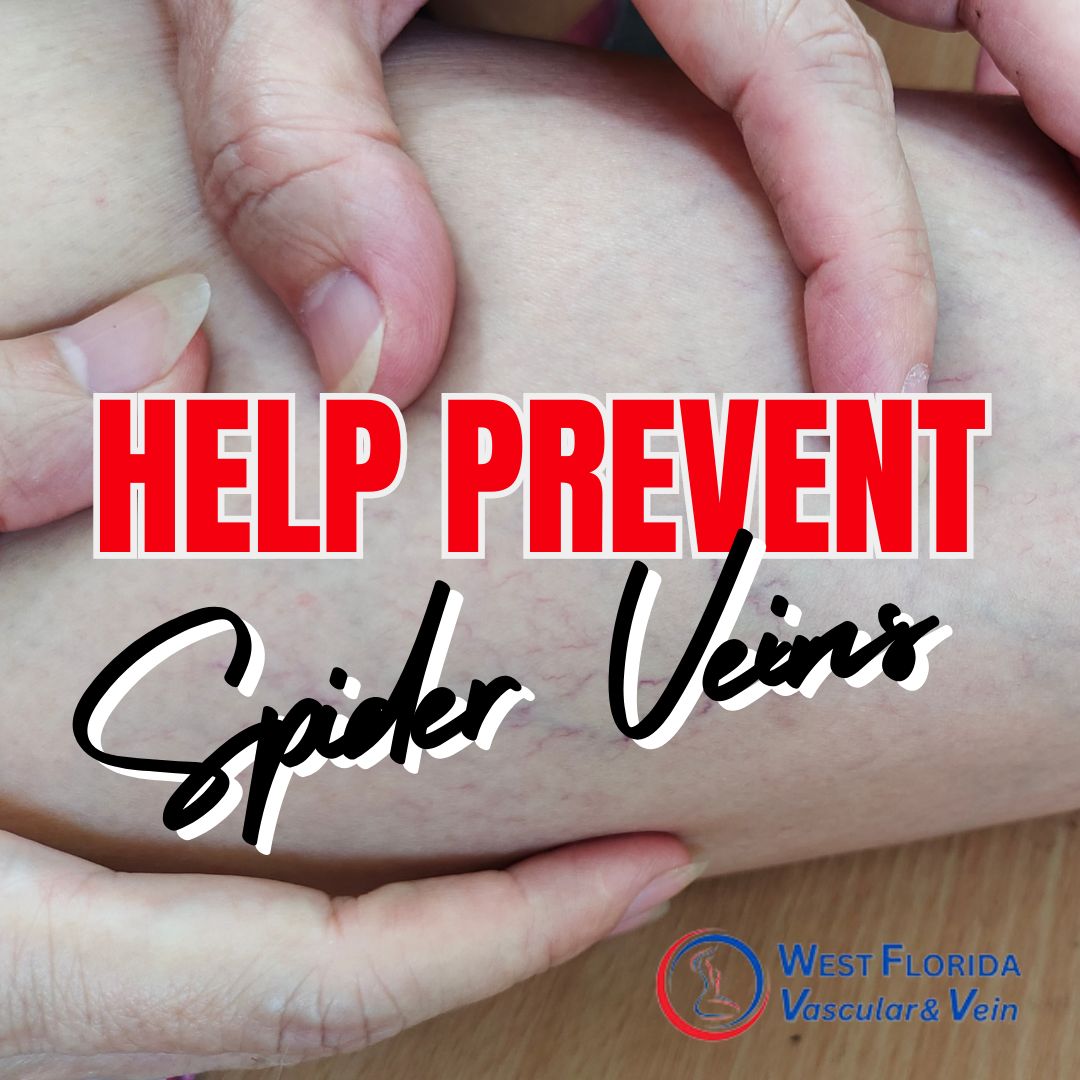
How to Prevent Spider Veins: Tips for Healthier Legs
Spider veins are a common cosmetic and medical concern, especially for adults in Florida where heat, humidity, and prolonged standing can increase vein pressure. While spider veins are not always dangerous, they can signal underlying vein issues and may worsen over time without proper care. The good news? Many spider veins can be prevented or delayed with proactive lifestyle changes and early medical guidance.
What Are Spider Veins?
Spider veins are small, thin blood vessels that appear close to the surface of the skin, often forming red, blue, or purple web-like patterns on the legs. They develop when vein valves weaken, allowing blood to pool instead of flowing efficiently back to the heart.
What Causes Spider Veins?
Several factors contribute to the development of spider veins, including:
-
Genetics and family history
-
Prolonged standing or sitting
-
Pregnancy and hormonal changes
-
Aging
-
Obesity
-
Sun exposure
-
Poor circulation
Understanding your risk factors is the first step toward prevention.
Tips to Prevent Spider Veins
1. Stay Active and Keep Blood Moving
Regular physical activity improves circulation and reduces pressure in the leg veins. Walking, swimming, cycling, and light strength training help blood flow upward toward the heart and reduce vein strain.
2. Avoid Prolonged Sitting or Standing
If your job requires long periods of sitting or standing, take frequent breaks. Stretch your legs, walk around, or perform calf raises to stimulate circulation. Elevating your legs when resting can also reduce venous pressure.
3. Maintain a Healthy Weight
Excess weight places additional strain on your veins, increasing the risk of spider veins. Maintaining a healthy body weight helps reduce pressure on your leg veins and supports overall vascular health.
4. Wear Compression Stockings
Medical-grade compression stockings help improve blood flow and prevent blood from pooling in the legs. They are especially beneficial for individuals with early signs of vein disease or those who spend long hours on their feet.
5. Protect Your Skin from Sun Damage
Sun exposure can weaken blood vessels, particularly on lighter skin. Wearing sunscreen and protective clothing helps prevent spider veins caused or worsened by UV damage.
6. Choose Smart Footwear
Avoid high heels for extended periods, as they limit calf muscle function and reduce circulation. Supportive, low-heeled shoes allow your leg muscles to pump blood more effectively.
When Should You See a Vein Specialist?
If spider veins are becoming more noticeable, spreading, or accompanied by leg pain, swelling, heaviness, or fatigue, it may indicate an underlying vein condition. Early evaluation by a board-certified vein specialist can help prevent progression to more serious venous disease.
Expert Vein Care in West Florida (Tampa & Safety Harbor)
At West Florida Vascular & Vein Center, our experienced team provides comprehensive vein evaluations and advanced treatment options designed to improve both the appearance and health of your legs. From prevention strategies to minimally invasive solutions, we tailor care to each patient’s unique needs.
Healthy legs start with proactive care. If you’re concerned about spider veins or vein health, schedule a consultation today and take the first step toward healthier, more confident legs.
Visit West Florida Vascular & Vein today to learn more about your options. Schedule a consultation to see how our cutting-edge treatments can help you get back on your feet. Call the office at 727-713-3233 today – Safety Harbor and Tampa Bay, Florida.