 Under the expert guidance of our Board Certified Vascular Surgeon, Dr. Mark Zuzga, our team of Vein Specialists & Vascular Experts are committed to delivering top-tier outpatient vascular & vein evaluation and treatment throughout the greater Tampa & West Florida surrounding areas. Should you find yourself dealing with leg pain, swelling, ulcers, discoloration, or the appearance of spider and varicose veins, we invite you to request a screening today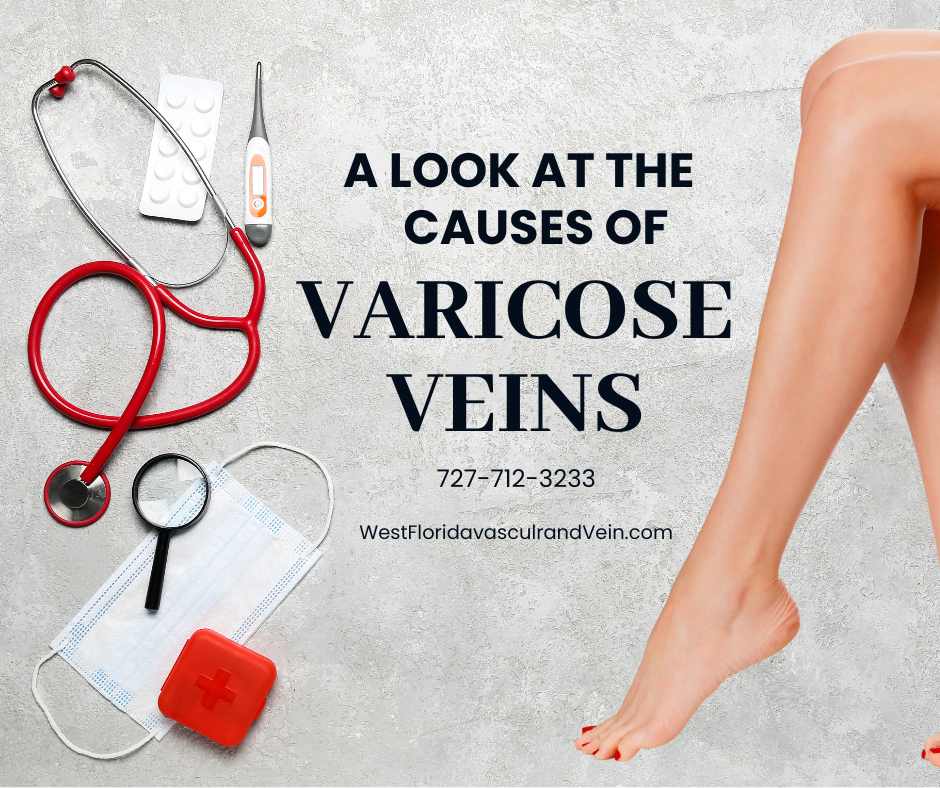
A Look at What Causes Varicose Veins: Understanding the Triggers
Varicose veins form when veins become enlarged, twisted, and overfilled with blood, mainly due to weakened vein valves and increased pressure. Several factors—aging, genetics, pregnancy, excess weight, and prolonged standing can contribute to developing varicose veins, particularly for those over 40.
Identifying these causes helps guide prevention and timely treatment.
The veins in our legs work against gravity to return blood to the heart. They rely on tiny valves to prevent blood from flowing backward. Over time, these valves can weaken or fail, often due to aging or inherited traits. Imagine your veins like garden hoses with leaky spots, blood pools instead of traveling smoothly, causing veins to bulge and twist. If you’ve noticed your legs feel heavy or sore after long days, or see rope-like veins, this could be your body hinting at struggling valves.
Life on Your Feet: How Daily Life Can Play a Role
Standing or sitting for long periods, an unavoidable part of many jobs, places extra pressure on leg veins. For example, think of retail workers, teachers, or drivers—those hours spent upright can slow down circulation, just as a blocked river trickles along instead of rushing forward. Add carrying a few extra pounds or skipping daily walks, and the strain doubles. In practical terms, the habits that sneak into our routines after 40 (hello, more sedentary evenings!) pile up more risk than we may realize.
Genetic and Hormonal Influences: It’s Not Just About Lifestyle
If close relatives—your mom, dad, or siblings—have varicose veins, you’re more likely to see them, too. Blame it on family blueprints. Hormonal changes, especially in women during pregnancy or menopause, further weaken vein walls and valves. This explains why varicose veins often run in families and why women are slightly more at risk. It’s not a guarantee, just a nudge from nature and biology working together.
Aging and Varicose Veins
After about age 40, your body’s connective tissues gradually lose elasticity. Vein valves, once springy and reliable, become a bit sluggish. Think of them like old door hinges; they still work, but not quite like they used to. This increases the likelihood of blood slipping backward, causing those noticeable, sometimes painful bulges. So, if you’ve recently crossed the big 4–0 and spotted new leg veins, you’re not alone—it’s a perfectly normal part of aging, albeit one you can manage.
Proactive Steps: Small Changes, Big Differences
• Move frequently—take a brisk walk or flex your ankles during long periods of sitting.
• Elevate your legs when possible to support natural blood flow.
• Maintain a healthy weight to reduce extra pressure on veins.
• Consider compression stockings if you’re already seeing symptoms.
• Listen to your body—if you notice increased swelling or discomfort, don’t ignore it.
Recognizing the Signs is STEP 1
Recognizing what causes varicose veins is the first step to healthier legs and a more comfortable life, especially after 40. Small changes and timely intervention can truly make a difference.
If you’re ready to address your vein health with expert guidance, schedule a consultation at www.westfloridavascularandvein.com west florida vascular and vein today. Your comfort—and confidence—is worth it! Call our office at 727-712-3233 today!
*Most insurance covers vein treatment!